
Root canal treatment is designed to treat infection or inflammation inside a tooth while helping you keep your natural tooth. When the inner pulp becomes infected or damaged due to decay, cracks or injury, it can cause significant pain and sensitivity. During treatment, the infected tissue is carefully removed, the inside of the tooth is cleaned and disinfected, and the tooth is sealed to help prevent further infection.
Root canal treatment offers a gentle solution to relieve discomfort and preserve your natural tooth. When the inner pulp becomes infected or damaged—often due to deep decay, cracks, or trauma—this procedure cleans and seals the tooth, preventing further issues. Thanks to modern techniques and local anaesthesia, the process is typically no more uncomfortable than getting a standard filling. By choosing root canal therapy, you can maintain your natural smile and avoid extraction.
After root canal treatment, a dental crown is often recommended to restore the tooth’s strength, function, and appearance. Crowns provide protection and reinforcement, reducing the risk of fracture and preserving structural integrity. They also seal out bacteria, preventing re-infection of the tooth
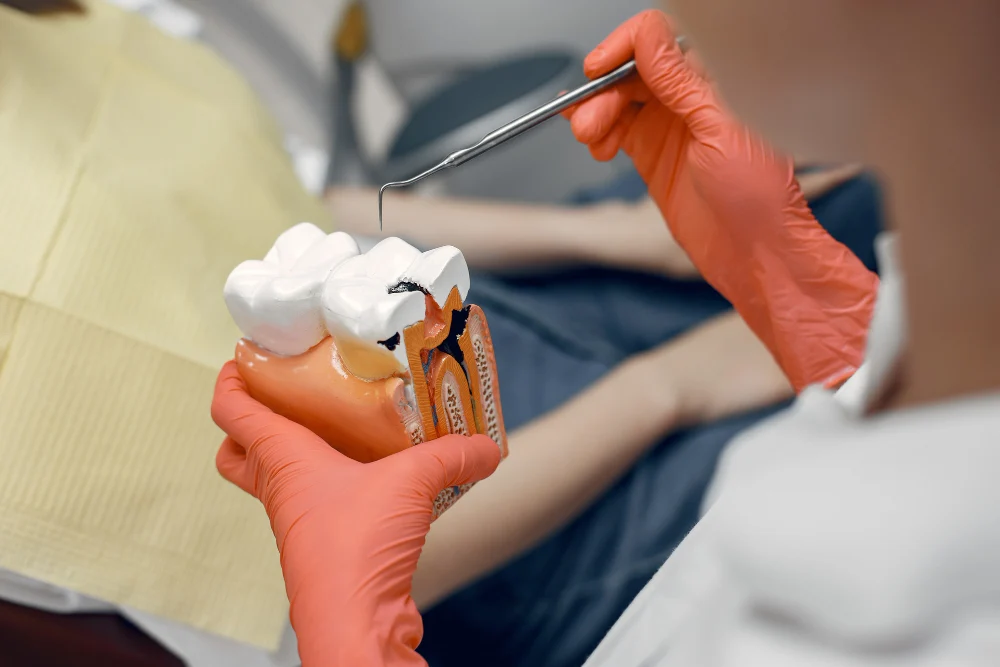
Root canal treatment can help preserve an infected or damaged tooth that might otherwise need to be removed.
Treating the source of infection can help reduce the pain and discomfort associated with an inflamed or infected tooth.
Removing infected tissue and thoroughly cleaning the root canals helps control the infection within the tooth.
Once the tooth has been treated and restored, you can continue to use it for normal eating and chewing.
Includes:
Note: A separate consultation fee of £60 applies, which includes a thorough assessment and necessary X-rays.
Includes:
Note: A separate consultation fee of £60 applies, which includes a detailed evaluation and necessary X-rays.
Root canal treatment removes infected or damaged tissue from inside a tooth. The root canals are then cleaned, disinfected and sealed to help save the natural tooth.
Not every toothache requires root canal treatment. Your dentist will examine the tooth and may take an X-ray to determine the cause of your symptoms and the most appropriate treatment.
Treatment is carried out under local anaesthetic, so you should not feel pain during the procedure. Some tenderness may occur afterwards and usually settles as the tooth recovers.
The tooth will need to be restored to protect it and return it to normal function. Depending on how much tooth structure remains, this may involve a filling or dental crown.
In many cases, yes. Root canal treatment is specifically intended to remove infection while preserving the natural tooth. Your dentist will assess whether the tooth can be successfully restored.